India’s traditional knowledge systems evolved from careful observation of nature, climate, and human comfort. Just as ancient Indian mathematics and medicine influenced the world, architectural guidance also emerged from practical experience rather than superstition alone. Over time, however, simplified interpretations replaced nuanced understanding. The belief that south-facing homes are universally inauspicious is one such example. Interestingly, some classical traditions associate the southern direction with stability and prosperity, and modern real estate patterns show that many affluent neighborhoods across major cities are located in the southern parts of urban areas, such as South Delhi, South Mumbai, or South Bengaluru. This does not prove causation, but it illustrates that direction alone does not determine the quality or desirability of a place to live.
The primary concern with south-facing homes historically was environmental, not symbolic. In most parts of India, the sun’s path moves from east to south to west, meaning southern walls receive the most intense and prolonged solar exposure. Before modern materials and cooling systems existed, this could make interiors uncomfortably hot, especially during peak summer months. Traditional builders therefore preferred orientations that minimized heat gain. Today, however, architectural solutions can address these issues effectively. Deep overhangs, louvers, shaded balconies, ventilated facades, and external screens can significantly reduce direct sunlight. Climbing plants such as bougainvillea or jasmine act as natural thermal buffers while improving aesthetics. High-performance glazing, insulated walls, and reflective finishes further limit heat transfer. With thoughtful design, a south-facing home can remain cool and comfortable even in warm climates.
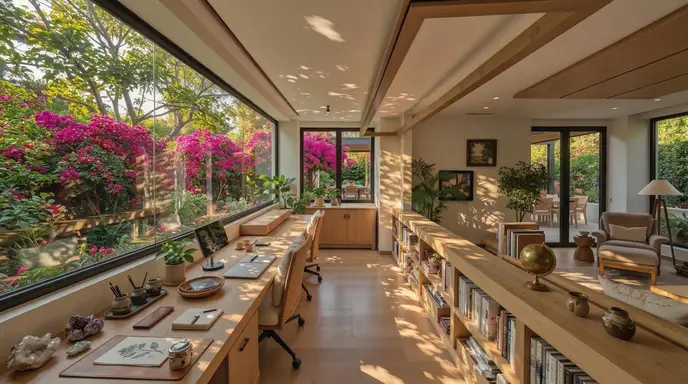
There are also practical advantages to southern exposure that are often overlooked. Abundant sunlight can keep interiors dry, reducing dampness, mold growth, and unpleasant odors. Outdoor spaces facing south receive strong light, making them ideal for gardening, drying clothes, or solar installations. Plants that require full sun tend to thrive better on this side of the property. In cooler months, the same sunlight can make living areas feel warm and cheerful, reducing the need for artificial heating. For apartments and independent houses alike, what ultimately matters is how the building manages heat, airflow, and daylight, not the direction in isolation. Many modern projects intentionally use shading devices and ventilation strategies to harness sunlight while controlling discomfort.
The widespread fear around south-facing homes largely comes from oversimplified rules that detached from their original environmental logic. Earlier guidelines aimed to prevent overheating in an era without fans, air conditioning, or advanced materials. As housing moved to dense urban settings and construction technology improved, the context changed but the simplified message persisted. For today’s buyers and homeowners, the reassuring takeaway is that a south-facing property is not inherently problematic if it is well designed. Adequate shading, insulation, ventilation, and layout planning can transform potential drawbacks into strengths. Like many aspects of Vastu, the core idea contains genuine climate wisdom, but modern interpretation often exaggerates risks. Evaluating the actual performance of a home will provide a far more reliable indicator of comfort and livability than direction alone.