Quick answer for buyers who are unsure: If your home’s main door is not in the “ideal” direction, it does not automatically make the house unsuitable. In modern flats and independent homes, comfort, safety, light, and layout have a far greater impact on daily life than compass orientation alone. A bright, secure, well designed entrance will usually feel welcoming regardless of direction.
Why the Main Entrance Gets So Much Attention
The entrance is the most visible and symbolic part of a home. It is where residents return every day, where guests form their first impression, and where the private world of the household meets the outside environment. Because property decisions involve significant financial commitment and long-term planning, buyers naturally scrutinize this area closely.
Families also tend to focus on elements that are easy to observe during a site visit. Unlike plumbing or structural quality, the direction of the main door is immediately apparent and widely discussed. This is why it often becomes a decisive talking point even when other factors may matter more for long-term comfort.
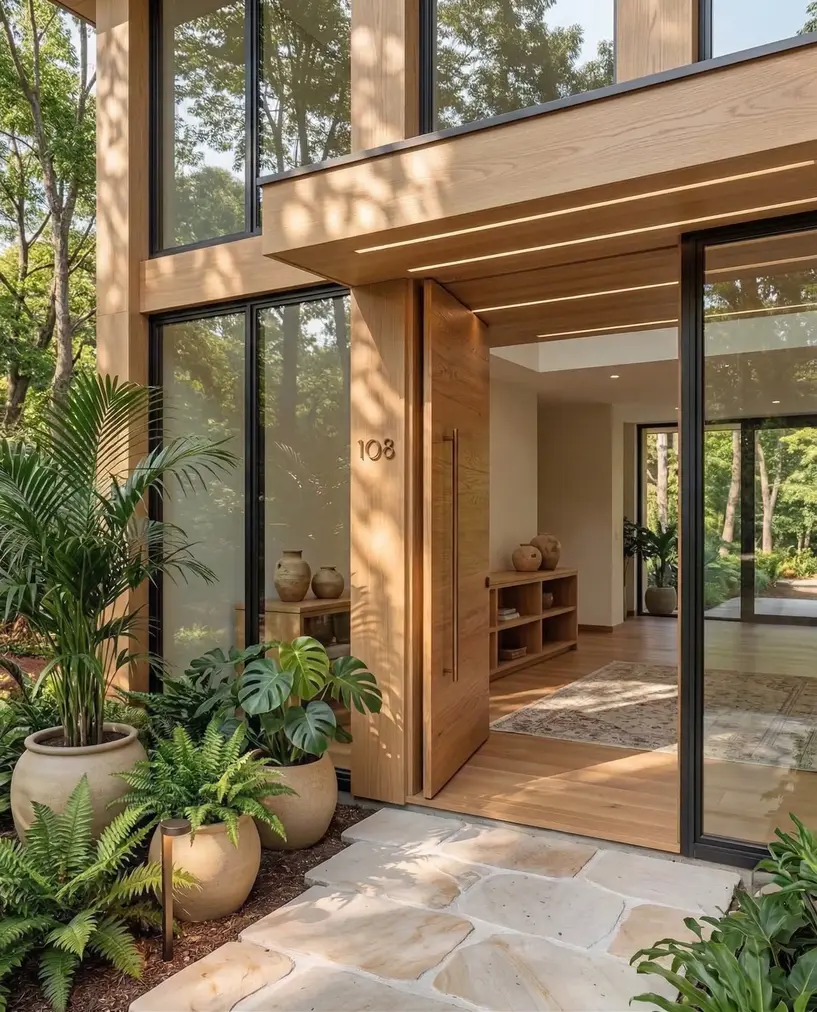
Traditional Preferred Directions Explained
Instead of labeling directions as good or bad, it is more useful to understand the environmental reasoning behind traditional preferences.
North Facing Entrance
North facing doors typically receive consistent daylight without intense heat. In many Indian climates, this creates a comfortable transition space that remains usable throughout the day.
East Facing Entrance
East facing entrances benefit from gentle morning sunlight, which brightens the home early while avoiding harsh afternoon glare. Before artificial lighting became common, this orientation helped homes start the day with natural illumination.
West Facing Entrance
Western exposure brings stronger afternoon sun, which can increase heat near the doorway. However, architectural features such as recessed entryways, overhangs, or shading elements can effectively control this.
South Facing Entrance
South facing doors are extremely common in urban layouts. Without protection they may receive intense sunlight, but modern construction techniques easily address this through insulation, landscaping, and design detailing.
Direction influences environmental conditions, not the inherent quality of the home.
Can South or West Entrances Work Well?
Yes. Many premium homes and high-rise apartments have south or west facing entrances and perform excellently. What matters is how the entrance is designed and maintained.
Comfort improves significantly when the space includes:
- Adequate shading from sun and rain
- Good exterior lighting
- Clear, safe access paths
- Proper ventilation
- Durable materials
Buyers typically respond to how the entrance feels rather than the exact compass reading.
What Matters More Than Direction
In real life, several practical factors determine whether an entrance feels pleasant and functional.
Visibility and Approach
A clearly identifiable door with an unobstructed path feels safer and more welcoming than one hidden behind corners or obstacles.
Natural Light
A well lit entrance creates a sense of openness and cleanliness. Dark entryways often feel uncomfortable regardless of orientation.
Security and Privacy
Residents should feel protected without exposing private spaces directly to the outside. Good design balances accessibility with discretion.
Space to Enter Comfortably
Adequate clearance to unlock the door, remove shoes, and step inside without crowding improves everyday usability.
Cleanliness and Maintenance
A tidy entrance signals care and stability. Poor maintenance can negatively affect perception even if the direction is traditionally favored.
How to Check Your Entrance Direction Correctly
Confusion often arises between the direction of the plot and the direction of the door itself.
To determine the entrance orientation:
- Stand inside your home facing outward through the main door
- Use a reliable compass app on your phone and note the direction you face
- This indicates the true entrance direction
Measuring from outside or aligning with building walls can lead to incorrect conclusions.
Flats vs Independent Houses
Apartments
In multi-storey buildings, entrance placement is fixed by corridor design and structural planning. Buyers usually prioritize security, lighting, and ease of access over directional considerations.
Independent Homes
Standalone houses offer more flexibility, so expectations may be higher. However, practical design features still dominate. A sheltered, spacious, and well lit entrance is generally preferred regardless of orientation.
If the Entrance Is Not Ideally Placed
Most homeowners cannot change the main door location. Fortunately, small improvements can significantly enhance comfort and perception.
Consider focusing on:
- Bright lighting inside and outside
- Weather protection such as a canopy
- Clear signage or numbering
- Organized entry space
- Regular cleaning and upkeep
These changes address real usability issues rather than theoretical concerns.
Why This Question Comes Up So Often
Buying a home in India often involves extended families, cultural expectations, and long-term financial commitment. When multiple opinions are involved, easily observable features like entrance direction receive extra scrutiny.
Conflicting advice online can also make the issue seem more complicated than it actually is. Understanding the practical logic behind traditional recommendations allows buyers to evaluate properties calmly and make confident decisions.
Final Verdict
In most situations, no. A home with a bright, secure, and thoughtfully designed entrance will provide comfort and long-term satisfaction regardless of direction. Rejecting a well built property solely because of door orientation can lead to unnecessary compromises in location, layout, or overall quality.
The most reliable approach is to consider the home as a complete system. Prioritize construction standards, neighborhood quality, ventilation, natural light, and functional planning. Direction may influence perception, but everyday experience is shaped by design.