Quick answer for worried homeowners: A southeast kitchen is traditionally considered ideal, but it is not mandatory for a functional or prosperous home. In modern apartments and builder-designed houses, kitchen performance depends far more on ventilation, daylight, heat management, and layout quality than on compass direction alone. A well-designed kitchen in another direction can work perfectly if it remains bright, dry, and comfortable to use.
Why the Kitchen Holds Special Importance in Vastu
In traditional Indian homes, the kitchen was the primary source of fire, heat, smoke, and daily activity. Before electricity, chimneys, or gas pipelines existed, managing indoor air quality and thermal comfort was critical for health. Ancient planning systems therefore treated the kitchen as a technical space that needed careful placement.
The recommendation for the southeast direction comes from its association with fire and early daylight. Morning sun helps dry surfaces, reduces dampness, and supports hygiene. Placing the kitchen away from sleeping areas also limited smoke exposure in homes that relied on wood or coal stoves. In that historical context, southeast placement was a practical environmental strategy rather than a rigid rule.
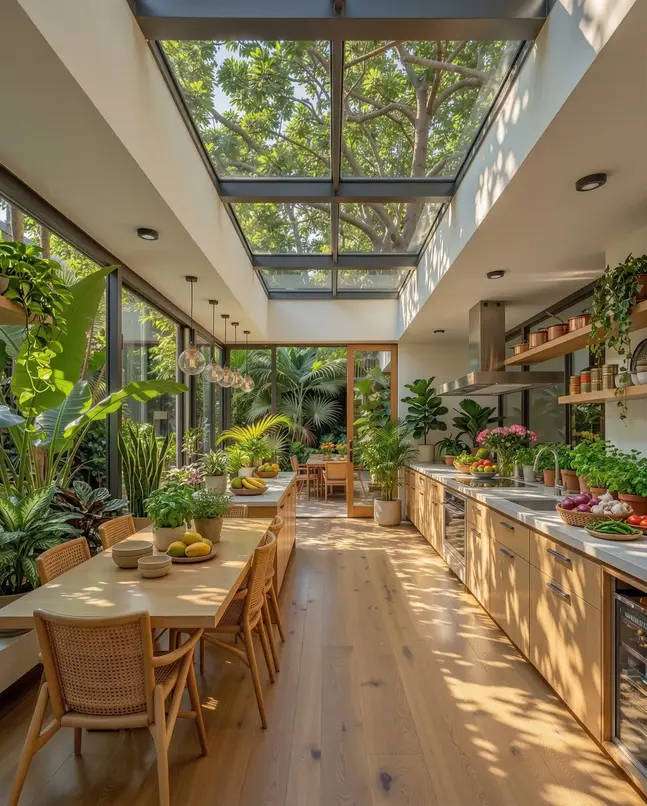
Environmental Logic Behind the Southeast Preference
When viewed through climate science, several advantages emerge that explain why southeast became the preferred zone in many traditional layouts.
Morning Sun Without Harsh Afternoon Heat
East-facing light provides gentle illumination during cooking hours without overheating the space later in the day. In tropical climates, western exposure can dramatically increase indoor temperatures, making cooking uncomfortable.
Improved Hygiene and Dryness
Sunlight acts as a natural disinfectant and reduces moisture buildup. Kitchens that receive early daylight tend to feel cleaner and less prone to mold or persistent dampness.
Smoke Management in Traditional Cooking
Older stoves produced heavy smoke. Early ventilation helped clear fumes before the house warmed up, improving respiratory comfort for occupants.
Thermal Separation from Living Areas
Locating the kitchen toward one side of the house prevented heat from spreading into sleeping and gathering spaces, maintaining overall indoor comfort.
Why Many Modern Homes Cannot Follow This Ideal
Contemporary housing operates under very different constraints. In apartments, plumbing shafts, service cores, structural grids, and building orientation determine kitchen placement long before buyers enter the picture.
Technology has also transformed cooking environments:
- LPG and induction cooktops produce far less heat
- Chimneys and exhaust fans remove smoke efficiently
- Artificial lighting eliminates dependence on sun direction
- Advanced materials resist moisture and staining
As a result, kitchens in north, west, or even south directions can perform extremely well if designed thoughtfully.
Acceptable Kitchen Directions in Modern Vastu Practice
While southeast remains traditionally preferred, several other placements are commonly considered workable in contemporary homes.
East or Southeast
Still regarded as the most comfortable in many climates due to morning light and moderate heat exposure.
South or West
Can function well with strong ventilation, shading, and efficient exhaust systems. Afternoon heat must be managed through design solutions such as insulation, reflective finishes, or external shading.
North or Northwest
Often cooler and less exposed to direct sunlight. These kitchens require good lighting and airflow to avoid feeling dim or enclosed.
The key takeaway is that direction alone does not determine usability or comfort.
What Matters More Than Direction
Most buyers respond to how a kitchen feels rather than where it sits on a compass.
Ventilation
Effective airflow removes heat, moisture, and cooking fumes. Cross ventilation or a powerful exhaust system is one of the strongest indicators of a healthy kitchen environment.
Natural Light
A bright kitchen feels safer, cleaner, and more pleasant to work in. Daylight also reduces dependence on artificial lighting during daytime hours.
Functional Layout
Adequate counter space, safe appliance placement, and logical workflow improve efficiency and reduce daily stress.
Cleanliness and Maintenance
Dry surfaces, leak-free plumbing, and easy-to-clean finishes prevent long-term deterioration and health issues.
Thermal Comfort
Heat buildup can make cooking exhausting. Materials, ventilation, and shading strategies play a major role in keeping the space comfortable.
Differences Between Flats and Independent Houses
Apartments
Buyers usually accept that kitchen location is predetermined. Decision factors shift toward builder reputation, layout efficiency, storage, and ventilation quality. A well-designed kitchen in a non ideal direction rarely becomes a deal breaker in urban markets.
Independent Houses and Villas
Because the layout is customizable, expectations may be higher. However, performance still outweighs direction. A spacious, bright kitchen with good airflow will generally be preferred over a poorly designed southeast kitchen.
What If Your Kitchen Is Not in the Southeast?
For most homeowners, relocation is impossible. Fortunately, traditional guidance focused on environmental outcomes rather than strict geometry.
You can achieve excellent results by ensuring:
- Strong exhaust or chimney performance
- Adequate lighting throughout the workspace
- Heat-resistant materials and finishes
- Proper drainage and waterproofing
- Organized storage to reduce clutter
These factors influence daily experience far more than compass orientation.
Why Strict Directional Anxiety Is Increasing Today
Modern homebuyers often encounter fragmented information online that presents traditional rules without historical context. This can create unnecessary stress, especially when evaluating expensive property decisions.
In reality, ancient guidelines aimed to improve comfort, hygiene, and safety using the tools available at the time. Modern engineering achieves the same goals through different means. Understanding this continuity helps homeowners make calmer, more confident decisions.
Final Verdict
In most cases, no. A well-designed kitchen that is bright, ventilated, and comfortable will serve your household effectively regardless of direction. Rejecting an otherwise excellent property solely because the kitchen is not in the southeast often sacrifices real-world livability for theoretical perfection.
The safest approach is balance. Prefer favorable conditions when possible, but prioritize functional design, maintenance quality, and overall comfort. These factors determine how the space will perform every day, which was always the underlying purpose of traditional planning systems.